What Daily Incubator Recovery Tells You About Culture Stability
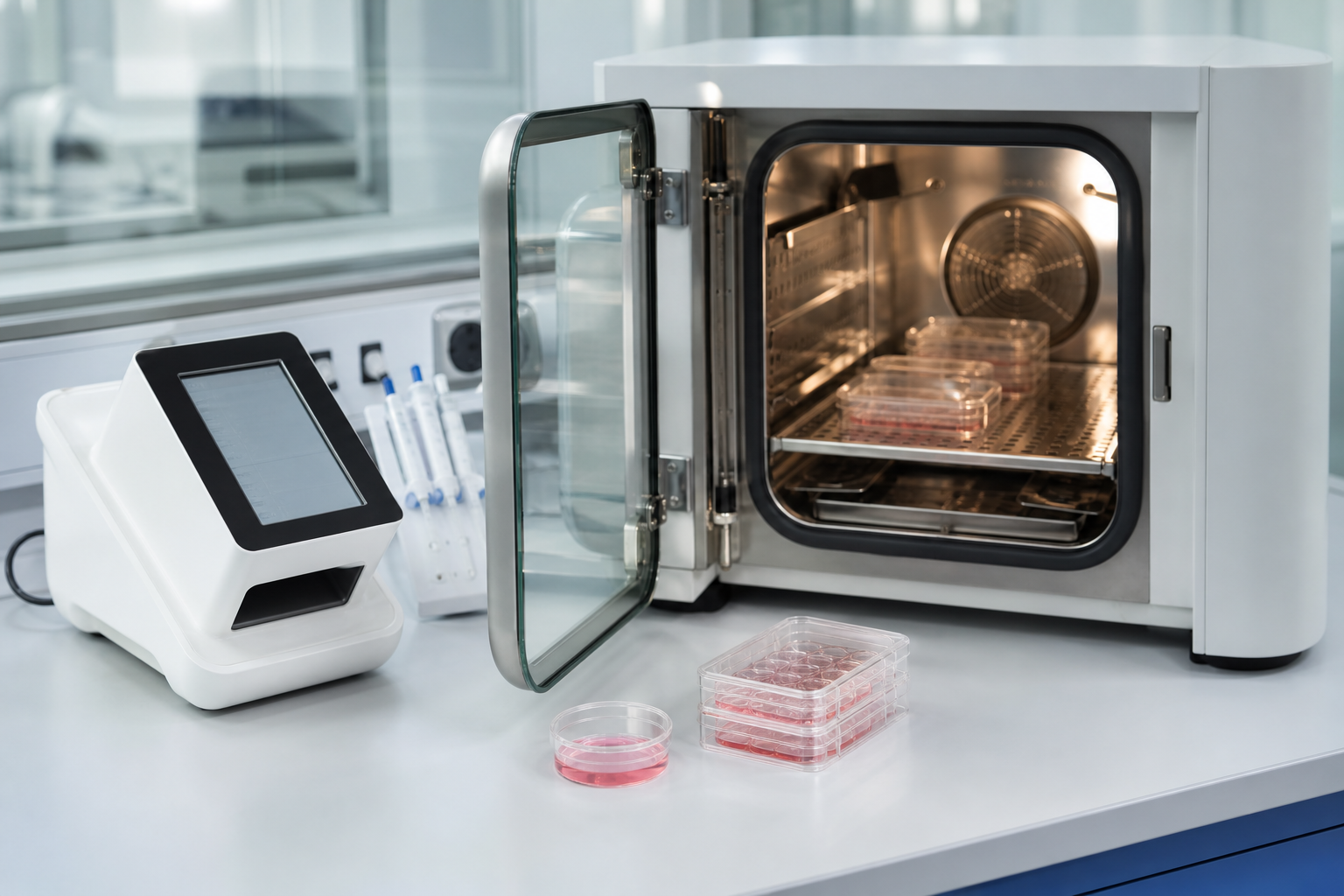
Recovery time after door openings can reveal whether an IVF incubator is truly supporting stable embryo culture under routine working conditions.
Why recovery deserves more attention
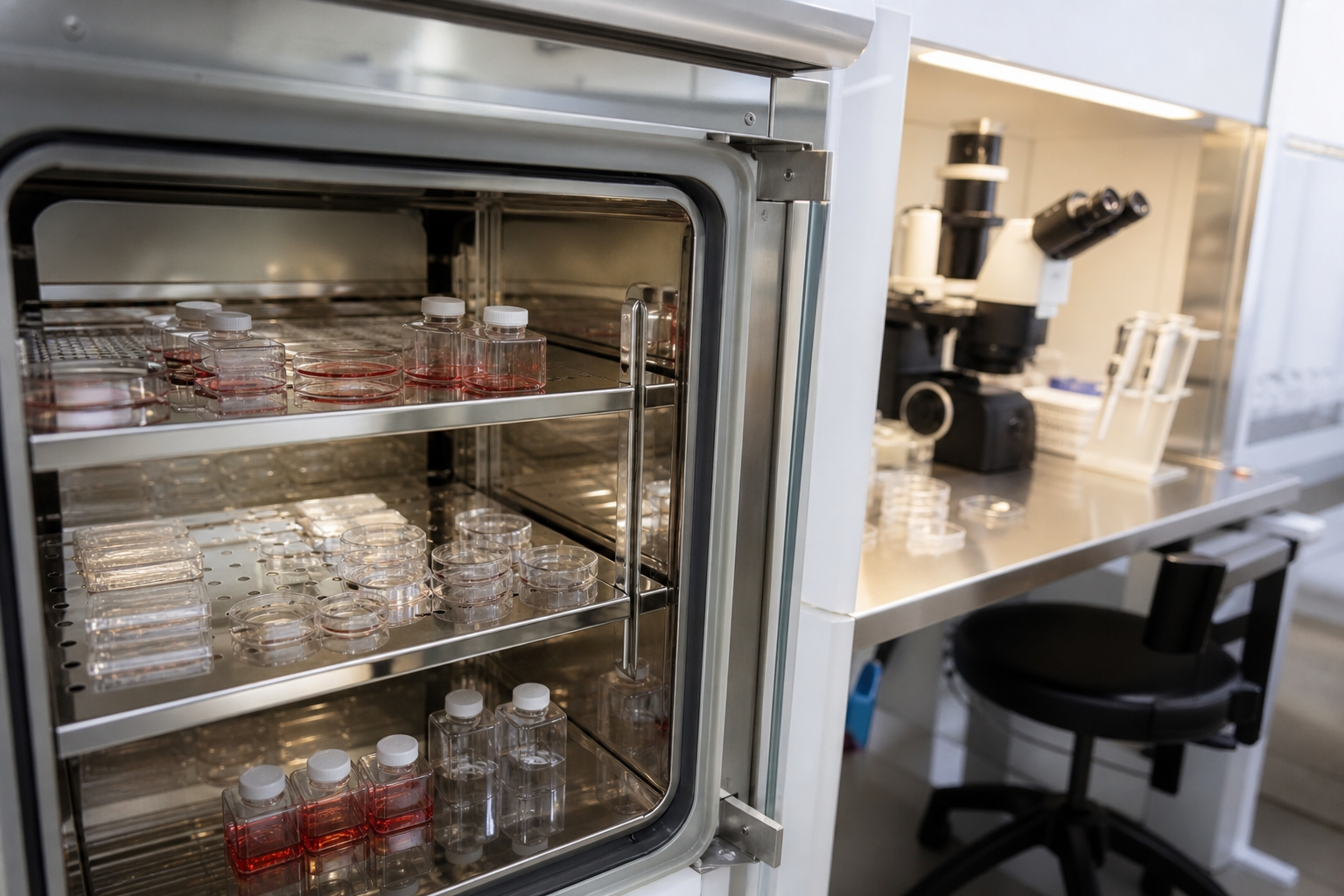
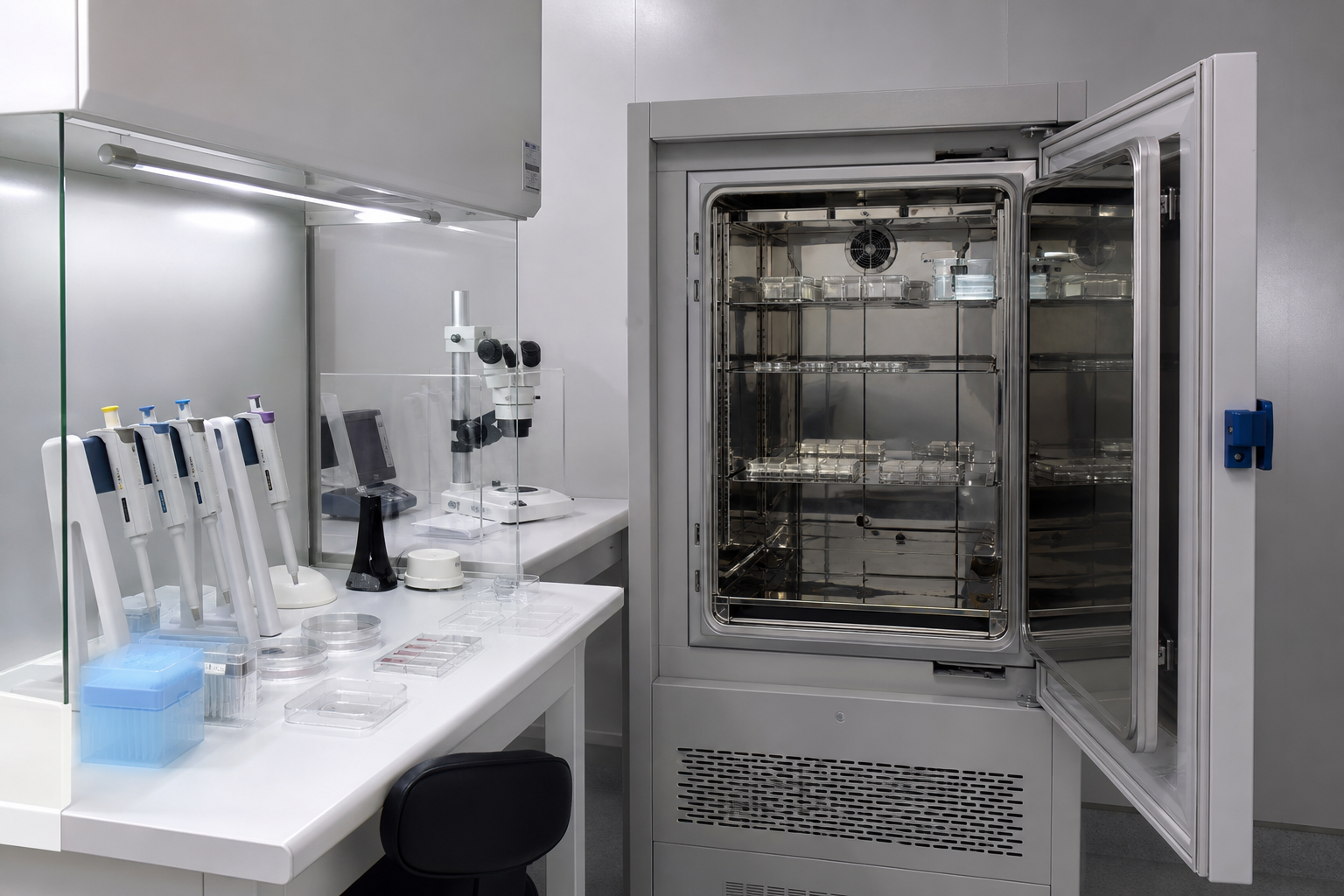
Most IVF laboratories monitor incubator setpoints carefully: temperature, CO₂ concentration and, where relevant, O₂ concentration. Yet embryos are not exposed to setpoints on a display. They experience the real conditions inside the chamber, especially after routine disturbances such as door openings, dish loading and unloading, or repeated checks during a busy session.
Recovery is the time an incubator needs to return from that disturbed state to stable operating conditions. In practice, this can be as important as nominal accuracy. An incubator that holds excellent values when closed but recovers slowly after access may expose cultures to repeated short-term fluctuations that are easy to overlook in day-to-day work.
What “recovery” actually means
Recovery is often discussed as a single number, but it has several components. Temperature recovery is usually the slowest and may differ between air temperature, shelf temperature and the actual temperature of cultureware. Gas recovery involves restoring CO₂, and in low-oxygen systems, O₂ as well. Humidity may also change, although this is less often monitored continuously.
These parameters do not recover at the same rate. A chamber may reach its gas setpoint relatively quickly while culture dishes remain cooler for longer. For embryo culture, that distinction matters because pH and temperature are linked to media performance and cellular stress. Looking at only one displayed parameter can therefore create a false sense of security.
Routine work creates repeated disturbances
In many laboratories, the incubator is opened dozens of times per day. Some of these openings are unavoidable, but their effect is cumulative. A single brief opening may seem insignificant; multiple openings across several patients, dishes and staff members can create repeated micro-instability within the chamber.
This is particularly relevant in workflows where one incubator houses many patients or where dishes are prepared in batches. The more often the chamber is accessed, the more frequently the system must recover. If recovery is consistently slow, the incubator may spend a meaningful portion of the day transitioning rather than sitting at equilibrium.
How to assess recovery in a useful way
Manufacturer specifications are helpful, but they are usually generated under defined test conditions. Your own operating pattern may be very different. A practical assessment should reflect how the incubator is actually used: typical door-open duration, normal loading, realistic room conditions and the accessories used inside the chamber.
For this reason, many laboratories benefit from checking recovery under a short, standardised challenge. For example, define a routine door-open event, measure how long key parameters take to return, and repeat the check at intervals or after maintenance. Trend data are often more informative than one-off pass or fail judgments. A modest increase in recovery time over months can indicate developing issues before they become obvious failures.
What can slow recovery
Slow recovery does not always mean the incubator is faulty, but it does warrant investigation. Common contributors include overloading, poor internal organisation, frequent prolonged openings, failing door seals, blocked airflow paths, sensor drift or inadequate preventive maintenance. Room conditions also matter; unstable ambient temperature or drafts can worsen recovery performance.
Gas supply configuration should not be ignored. Pressure instability, leaks, depleted cylinders or poor-quality connections can all affect how quickly the chamber regains the required atmosphere. In low-O₂ culture, interactions between CO₂ and O₂ control add another layer, so the whole gas pathway deserves attention rather than just the incubator itself.
Why recovery matters clinically and operationally
From a biological perspective, recovery influences how stable the embryo microenvironment remains during normal handling. Recurrent temperature and gas shifts may alter media conditions even when average daily readings look acceptable. Good culture systems aim not only for correct conditions, but for conditions that remain predictable throughout the working day.
Operationally, recovery performance can inform decisions about workflow, staffing and equipment allocation. If one incubator recovers more slowly, that may support changing dish allocation, reducing unnecessary access, or redesigning task sequencing. In some laboratories, the answer is not another policy but another incubator or a different chamber configuration.
Build recovery into quality review
Recovery should be part of routine quality management rather than an occasional troubleshooting exercise. Define what is to be measured, how it is measured, what acceptance limits are reasonable, and what action is taken if results drift. Include the rationale in local procedures so the exercise supports decision-making rather than generating data with no practical consequence.
It is also worth linking recovery observations with other indicators such as culture outcomes, alarm history, maintenance records and room environmental trends. No single metric explains performance on its own, but taken together they provide a far clearer picture of whether the incubator is supporting a robust culture process.
A more realistic view of incubator performance
In IVF, stability between interventions is important, but stability after intervention is equally important because doors will always be opened. Recovery testing helps laboratories evaluate incubators as working systems, not just static boxes meeting a specification sheet.
By paying closer attention to how equipment behaves under routine conditions, laboratories can make more informed choices about monitoring, workflow and replacement planning. If useful, tech²ART can help assess practical equipment performance in the context of real laboratory use.